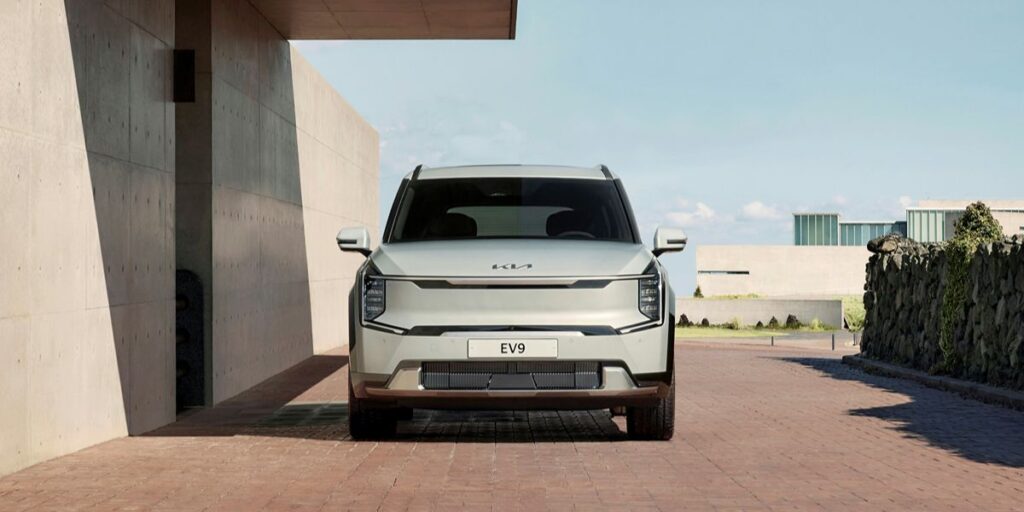
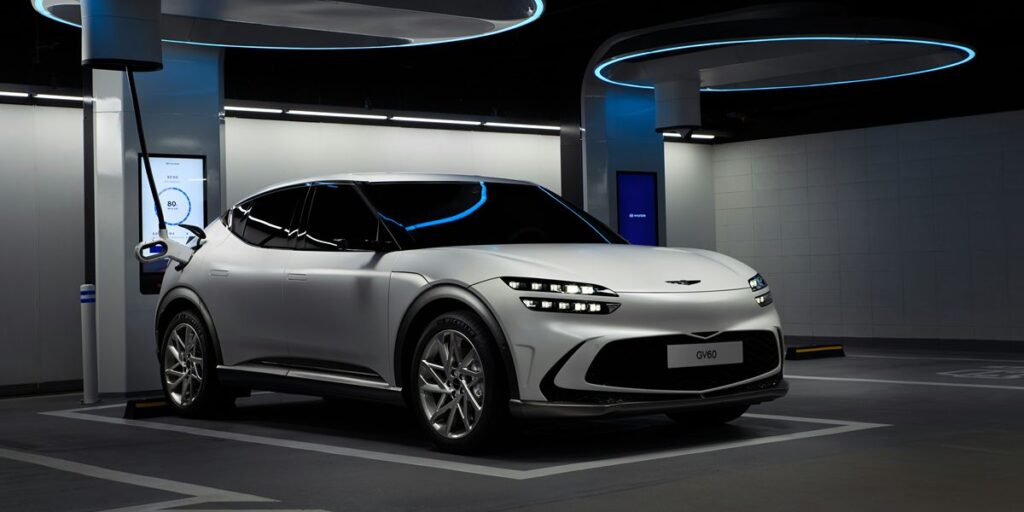
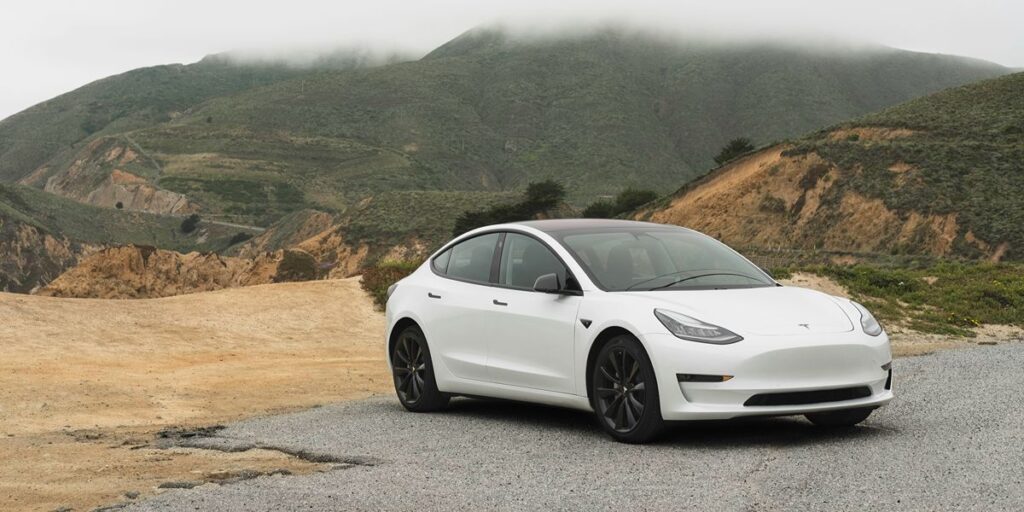
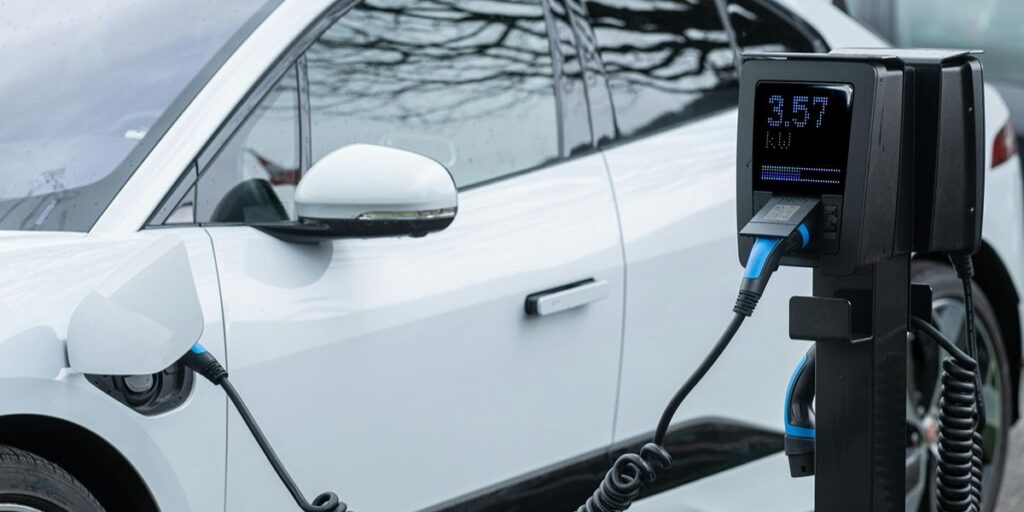
For years, one of the biggest worries around electric cars has been simple: “Will the battery still be any good after a few years?”
EV Batteries Are Holding Over 90% Capacity After Six Years
A major new analysis of 24,000 EV battery health certificates across 11 European countries shows that electric car batteries are proving far more durable than expected.
Battery degradation is slow and predictable, averaging around 1% loss every 16,000 miles, after a small early drop.
Even after 100,000 miles or six years, batteries still maintain over 90% health on average.
Why This Matters for UK Drivers
These real‑world results should come as a major confidence boost for drivers considering an EV – especially through salary sacrifice, where most cars are brand-new and under full warranty.
The findings show that used EVs are holding their value better as battery health is remaining healthier for longer, and this is continuing to improve year-on-year as technology advances. However, newer EV models with improved cooling systems and battery design are performing 2-3% better than older ones.
For businesses and employees using salary sacrifice schemes, this is especially reassuring – it means the EV you drive today will still retain strong battery performance well into the future.
Transparency Around Battery Health Is Improving
More than 30,000 battery health certificates have already been issued for used EVs, signalling a major shift toward greater transparency in the second‑hand market. This move is set to accelerate as upcoming Euro 7 regulations introduce standardised battery health displays directly on vehicle dashboards. EVs are also expected to feature a digital battery passport in the near future, giving drivers clear insight into each vehicle’s battery history and certified capacity.
What This Means for Anyone Considering an Electric Car Through Salary Sacrifice
At EZOO, we often hear concerns about how long EV batteries really last – but the reality is far more reassuring. EV batteries are designed to perform extremely well, with degradation happening slowly, predictably, and far less than most people expect. Newer models are even more resilient thanks to ongoing advances in battery technology. For employees, that means dependable long‑term performance. For employers, it means a confident, lower‑risk transition to electric fleets.
If battery life has been your last big doubt about going electric, the evidence now speaks for itself. EV batteries are proving to be one of the most reliable parts of the car – not the weakest link.And with salary sacrifice making brand‑new electric cars up to 60% cheaper, there’s never been a better time to switch.
It’s one of those questions that doesn’t always come up in a salary sacrifice scheme briefing – but it probably should.
If you’re driving an electric car through your employer, and a speed camera catches you over the limit, who pays the bill? Does it affect your scheme? What happens to the penalty points?
The short answer is that a speeding fine is yours to deal with, not your employer’s. But the process for how it reaches you is slightly different from owning a car privately, so it’s worth understanding what to expect.
Who Owns The Car And Why It Matters
When you drive a salary sacrifice car, your employer leases it, not you. The leasing company is the vehicle’s registered keeper – the name held on record with the DVLA as the legal owner.
This matters when it comes to speeding, because under UK law, a Notice of Intended Prosecution (NIP) must be issued to the registered keeper of the vehicle – not necessarily the driver – within 14 days of the alleged offence. So if a speed camera catches your salary sacrifice car, the NIP goes to the leasing company first, not to you.
This is standard for any leased or company vehicle. It doesn’t mean the fine goes away – it simply means the paperwork follows a slightly different route before landing in your hands.
How The Process Works
Once the leasing company receives the NIP, they’re legally required to identify the driver. They’ll pass your details to the police as the person who had use of the vehicle at the time. The authorities then issue a new NIP directly to you.
Because of this chain, your notice may arrive more than 14 days after the offence. This is entirely normal and legally valid – the 14-day rule applies only to the original notice being served on the registered keeper. Your own notice can follow later. You’ll then have 28 days to respond and confirm you were the driver.
Most leasing companies also charge an administration fee for handling the NIP on your behalf. This is typically in the region of £25 to £50 per incident and will be charged to you separately. It’s a small but real cost worth keeping in mind.
Who Pays The Fine?
You do. The speeding fine – along with any administration fee charged by the leasing company – is entirely your responsibility as the driver. This applies whether the offence happened on a personal journey or during a work trip.
The same is true of parking fines, bus lane contraventions, congestion charges, and any other penalty notices. These are all issued to the driver, not the leasing company or employer, and none of them are covered by the all-inclusive package that comes with your salary sacrifice agreement.
This is no different from driving your own car – the vehicle being leased through your employer doesn’t transfer any personal liability to your company.
What About Penalty Points?
Penalty points go on your driving licence, not your employer’s record. A standard speeding offence carries a minimum of three penalty points and a £100 fixed penalty.
If the offence is minor enough, and you’re eligible, you may be offered the option of attending a speed awareness course instead of accepting the fine and points. The course typically costs around £100 and takes half a day. Eligibility varies by police force, but it’s generally offered for speeds in the range of 10% plus 2mph to 10% plus 9mph above the limit.
Importantly, you must declare any penalty points to your insurer. Failure to disclose convictions can invalidate cover.
Does A Fine Affect Your Salary Sacrifice Scheme?
In most cases, a single speeding fine won’t affect your salary sacrifice agreement. Your monthly deductions continue as normal, and the scheme itself isn’t disrupted by a driving offence.
However, it’s worth being aware that if your licence were to be disqualified as a result of a serious speeding offence or accumulation of points, that would be a different matter entirely – you would no longer legally be able to drive. In that scenario, you’d need to discuss the implications with your employer and scheme provider.
Some employers also reserve the right to include licence requirements in their scheme eligibility criteria. It’s worth checking your scheme documentation if you have any concerns.
A Quick Summary
If you’re caught speeding in your salary sacrifice car, here’s what happens:
The NIP is sent to the leasing company (the registered keeper) within 14 days.
The leasing company identifies you as the driver and passes your details to the police.
You receive your own NIP – potentially after the 14-day window has passed, which is normal.
You pay the fine, any penalty points go on your licence, and an admin fee from the leasing company applies.
Your salary sacrifice scheme continues as usual in most circumstances.
You must inform your insurer of any penalty points at renewal.
The good news is that electric vehicles tend to be smooth, composed, and very easy to drive calmly – and charging at home overnight means there’s rarely any need to rush.
Employee wellbeing has moved well beyond free snacks in the kitchen.
Nowadays, it sits at the heart of how businesses attract talent, reduce absence, and build teams that genuinely thrive. And the benefits packages employers offer are a direct reflection of how seriously they take it.
EV salary sacrifice has emerged as one of the most powerful wellbeing tools available – not just because it saves employees money, but because it touches nearly every dimension of what it means to feel secure, valued, and supported at work.
Here are six ways it makes a real difference.
1. It Eases Financial Stress
Financial pressure is one of the biggest drivers of poor mental health in the workplace. With ongoing cost-of-living pressures continuing to squeeze household budgets, benefits that put real money back in employees’ pockets carry significant weight.
Through EZOO’s salary sacrifice scheme, employees can save up to 60% compared to a personal lease. Payments come from gross salary before income tax and National Insurance are deducted, which means the car costs far less than it appears on paper.
For a basic-rate taxpayer, that’s an immediate combined saving of 32% on the sacrificed amount. For a higher-rate taxpayer, it’s 42%.
The monthly payment also covers insurance, servicing, maintenance, breakdown cover, and road tax – all bundled into one fixed figure. There’s no deposit, no credit check, and no unexpected bills. For employees who have been managing the unpredictable costs of an older car, that predictability alone can be transformative.
For many employees, the daily commute is a significant source of stress – particularly when a car is unreliable, expensive to run, or simply unpleasant to drive. Upgrading to a new, well-maintained electric vehicle changes that dynamic considerably.
Quieter cabins, smoother rides, and the simplicity of plugging in at home overnight rather than queuing at a petrol forecourt can genuinely improve the start and end of someone’s working day. The cumulative wellbeing benefit of better, cleaner, more reliable transport is hard to overstate.
3. It Supports A Sense Of Being Valued
When a business invests in meaningful benefits, employees notice. Research from Parallel Employee Benefits highlights that 75% of employees say they’re more likely to stay in a job because of the benefits on offer.
Salary sacrifice isn’t a token gesture – it’s a genuinely valuable perk that can be worth thousands of pounds a year to the people who take it up.
When employees feel valued, engagement improves, productivity follows, and the costly cycle of high staff turnover slows. Salary sacrifice is cost-neutral for employers – the NI savings generated by the scheme often offset any administrative overhead – which makes it one of the most effective wellbeing investments a business can make without stretching its budget.
4. It Aligns With Employees’ Environmental Values
A growing number of employees – particularly younger workers – consider a company’s environmental commitment when deciding where to work and whether to stay.
Driving an electric vehicle is one of the most visible and tangible ways for individuals to reduce their personal carbon footprint. For employees who care about the environment, being able to do that affordably – and with the support of their employer – creates a genuine sense of alignment between their values and their workplace.
This connects directly to broader corporate sustainability goals, too. By helping employees switch to low-emission vehicles, businesses can reduce their Scope 3 emissions (those generated by employee commuting), which is increasingly relevant for companies withESG targets and sustainability reporting obligations.
5. It Offers Peace Of Mind Through Inclusive Protection
One of the quiet sources of anxiety in many households is what happens when something goes wrong — a breakdown, an unexpected repair bill, an insurance renewal that comes in higher than anticipated. All-inclusive salary sacrifice removes those worries by design.
EZOO’s package covers comprehensive insurance, routine servicing, tyre replacement, breakdown recovery, and road tax in a fixed monthly amount. Employees don’t need to worry about shopping around, negotiating, or being caught out by an unexpectedly large bill.
There’s also built-in protection for life events. If an employee leaves their job, goes on maternity or paternity leave, or faces redundancy, EZOO’s scheme includes safeguards so they’re not left in a difficult position mid-contract.
6. It Makes A Premium Benefit Accessible To Everyone
Wellbeing benefits only improve wellbeing if they’re genuinely accessible. A perk that only benefits senior or higher-earning employees doesn’t build a culture of inclusion – it reinforces existing divides.
EV salary sacrifice is available to most employees, regardless of their tax band or salary level, provided their pay doesn’t fall below the National Minimum Wage after deductions. Both basic-rate and higher-rate taxpayers benefit, though the savings vary.
Critically, there’s no deposit required and no credit check – removing two of the most common barriers that prevent lower-income employees from accessing a new car in the conventional market.
To explore the full range of what’s achievable through salary sacrifice, our guide on what you can salary sacrifice is a useful starting point.
Sounds Good, Right?
Wellbeing isn’t built on grand gestures – it’s built through consistent, practical support that makes people’s lives a little easier, a little less stressful, and a little more enjoyable. EV salary sacrifice, when delivered well, does all of that.
Salary sacrifice is one of the most valuable benefits a business can offer – but it can also be one of the trickiest to communicate.
Mention tax codes, Benefit in Kind, or National Insurance contributions in a staff briefing, and you’ll often be met with glazed expressions.
The good news is that it doesn’t have to be complicated. With the right framing, you can explain salary sacrifice clearly, confidently, and in a way that gets employees genuinely excited about it.
Start With The Simple Version
Before diving into the detail, lead with the big picture.
Salary sacrifice is an agreement between an employer and an employee, where the employee gives up a portion of their gross salary – that’s their pay before tax – in exchange for a non-cash benefit. In our case, that benefit is a brand-new or used electric car.
Because the deduction comes out before income tax and National Insurance are calculated, employees end up paying less of both. The car effectively costs less than it would if they went out and leased one privately. In fact, through EZOO’s salary sacrifice scheme, employees can save up to 60% compared to a personal lease.
What’s Included?
One of the most compelling parts of salary sacrifice – and one that’s easy to overlook in a basic explanation – is just how much comes bundled into the monthly payment.
Our all-inclusive package covers insurance, servicing, maintenance, breakdown cover, and road tax. There’s no deposit to pay, no credit check, and no nasty surprises. Employees can simply hand over their old car keys and start driving electric.
This is worth emphasising to staff. When comparing the sacrifice amount to what they’d otherwise spend, it’s not just a lease cost — it’s everything wrapped into one simple figure.
Explaining Benefit in Kind
This is often where employees get confused – so it’s worth tackling head-on.
When you drive a car provided by your employer, HMRC classifies it as a benefit and applies a small tax charge called Benefit in Kind (BiK).
This is calculated by multiplying the car’s P11D value (its list price) by the BiK rate, then by the employee’s income tax rate.
For electric cars, the BiK rate is currently just 3% for the 2025/26 tax year, rising to 4% in 2026/27 and 5% in 2027/28. Compare that to petrol or diesel cars, where BiK rates can exceed 30%, and the advantage becomes very clear.
Does Salary Sacrifice Affect Anything Else?
This is one of the most common questions employees ask – and it deserves an honest answer.
Because salary sacrifice lowers your gross pay, it can affect a small number of things. Percentage-based pension contributions may reduce slightly, since they’re often calculated on the sacrificed salary rather than the original amount. Some employers address this by adjusting their contributions accordingly, so it’s worth checking your company’s policy.
Similarly, because your taxable income is lower, your take-home figure will look different on paper – which can occasionally prompt questions from mortgage lenders. In most cases, lenders will consider pre-sacrifice salary when assessing applications, especially if your employer provides the relevant documentation.
One firm rule: Salary sacrifice cannot reduce an employee’s cash pay below the National Minimum Wage. EZOO and responsible scheme providers build in safeguards to ensure this never happens.
Is A Salary Sacrifice Car A Company Car?
Technically, yes – which leads some employees to assume it comes with the same high tax charges as a traditional company car. It doesn’t.
Salary sacrifice cars are treated as company cars for BiK purposes, but because electric vehicles sit in the lowest BiK band, the tax is minimal. Our article on whether a salary-sacrifice car is a company car provides a more detailed breakdown for anyone who wants to explore this further.
Addressing Common Concerns
“What if I leave my job?” – A fair concern. Most schemes include a protected termination clause, meaning employees are not left with an unexpected bill if their circumstances change. EZOO’s scheme is set up with this protection in mind. For clarity on exactly how it works, see our guide on what happens to your salary sacrifice car if you leave.
“Will the scheme change?” – The government has confirmed EV BiK rates all the way through to 2029/30, giving employees and employers genuine certainty when planning. Electric cars remain the most tax-efficient vehicle type in any salary sacrifice scheme. You can read our latest update on whether salary sacrifice is expected to change for the current position.
“Is it worth it on a lower salary?” – Yes, in most cases. Both basic and higher-rate taxpayers benefit from salary sacrifice, though higher-rate taxpayers typically see larger savings.
Make It Personal
The most effective way to bring salary sacrifice to life for employees is to show them their actual numbers. EZOO’s employee portal does exactly this – once your company is signed up, employees can log in, browse available cars, and see a fully personalised breakdown of what they’d pay and how much they’d save, based on their specific salary and tax rate.
Abstract percentages become real figures. Real figures have a way of making decisions easy.
Getting an electric vehicle is one of the smartest moves you can make – but the experience is only as good as your charging setup.
For most drivers, that means installing a dedicated home charger. It’s convenient, cost-effective, and takes a lot of the guesswork out of EV ownership.
Whether you’ve just picked up your first EV through EZOO’s salary sacrifice scheme or you’re thinking ahead before your car arrives, this guide walks you through everything you need to know about installing an EV charging station at home.
Why Is It Worth Installing A Dedicated Home Charger?
It might be tempting to simply plug your EV into a standard three-pin socket – and yes, it is technically possible. But we’d strongly advise against it as your primary method.
A domestic plug socket maxes out at around 2.3kW, which is slow and can put unnecessary strain on your home’s electrical system. A dedicated wall box charger, by contrast, typically delivers 7kW, charging most EVs overnight with ease. It’s faster, safer, and purpose-built for the job.
Choosing The Right Charger For Your Home
Before booking an installer, it’s worth knowing what type of charger suits your situation.
7kW smart chargers are by far the most common choice for UK homes. They’re compatible with almost every EV on the market and will fully charge most batteries overnight.
Popular models include the myenergi Zappi (great for homes with solar panels), the Pod Point Solo, and the Andersen A2 – each with app control, scheduling features, and smart tariff integration.
If your home has a three-phase electricity supply (more common in commercial buildings than residential ones), a 22kW charger is also an option – though most drivers simply don’t need it.
What To Consider When Choosing
Smart charging capability: Lets you schedule charging during off-peak hours to save money.
Built-in cable vs. socket: A tethered cable is more convenient for everyday use.
App connectivity: Useful for monitoring usage and costs.
Solar integration: If you have or plan to install solar panels, look for a charger that can prioritise excess solar energy.
How Much Does Installation Cost?
The typical cost of a fully installed 7kW smart home charger sits between £800 and £1,200. That breaks down roughly as:
The charger unit itself: £400–£700
Professional installation labour: £400–£600
Costs can vary depending on the complexity of the cable run, whether your consumer unit needs upgrading, and how much groundwork is required (for example, running cables under a driveway).
It’s always worth getting at least three itemised quotes from OZEV-approved installers before committing.
Can You Get A Government Grant?
In short, it depends on your situation.
The UK government’s OZEV EV Chargepoint Grant, administered by the Office for Zero Emission Vehicles, currently covers up to 75% of installation costs, capped at £350 per socket. From 1 April 2026, this cap increases to £500 per socket – good news if you’re planning ahead.
Who Can Use The Grant?
However, the grant has become more targeted in recent years. As of 2026, it is primarily available to:
Renters living in any residential property with private off-street parking.
Flat owners (including shared ownership) with their own private off-street parking space.
Landlords installing chargers for tenants.
If you own a standard detached or semi-detached house with a private driveway, you are not eligible for this grant. The government has shifted its focus to those who have historically found it harder to install home charging infrastructure.
Households With On-Street Parking
There is also a separate grant for households with on-street parking only, which covers up to £350 towards the cost of installing a cross-pavement charging solution (such as a charging gully). This is worth exploring if you don’t have off-street parking.
Landlords
Landlords can apply for up to 200 chargepoint grants per year for residential properties and up to 100 for commercial properties, with infrastructure grants of up to £30,000 per property also available. The scheme runs until 31 March 2027.
Businesses
For businesses, the Workplace Charging Scheme (WCS) covers up to 75% of costs, currently capped at £350 per socket (rising to £500 from 1 April 2026), for up to 40 sockets across all sites.
The scheme is open to businesses, charities, and public sector organisations and also runs until 31 March 2027. If your company is considering offering EV charging as a workplace benefit, it pairs very well with salary sacrifice.
Step-By-Step: The Installation Process
Once you’ve chosen your charger and found an OZEV-approved installer, here’s what to expect:
1. Property Assessment
Your installer will assess your home’s electrical supply, consumer unit capacity, and the best cable route from your fuse board to the parking area. This is also when they’ll identify any additional work needed, such as consumer unit upgrades.
2. Grant Eligibility Check (If Applicable)
If you’re eligible for an OZEV grant, your installer handles the application on your behalf. The grant is deducted directly from your invoice – you don’t need to claim it yourself.
3. Installation Day
For a straightforward install with no complex cabling, most home charger installations are completed within two to four hours. The installer will mount the unit, run the cabling, and connect it to your consumer unit safely.
4. Testing And Sign-Off
Once installed, the charger will be tested and commissioned. You’ll receive documentation confirming the installation meets the required electrical safety standards.
5. Set Up Smart Charging
Finally, download your charger’s app and set up your preferred charging schedule. If your energy supplier offers an EV-specific off-peak tariff, this is when you’ll start seeing real savings.
Tips To Keep Costs Down
Time your charging: Many energy suppliers offer significantly cheaper overnight rates for EV drivers.
Bundle your installation: With other electrical work if possible to save on call-out costs.
Check your energy tariff: Switching to a dedicated EV tariff can reduce your charging costs considerably compared to standard rates.
Use only OZEV-approved installers: This is required for grant eligibility and ensures the work is covered by appropriate insurance and certifications.
Ready To Make The Switch?
Installing a home charger is one of the best investments you can make as an EV driver – and it becomes even more worthwhile when you’re already saving significantly on the car itself.
If you’re yet to get your EV, our salary sacrifice scheme lets employees save up to 60% on a brand-new or used electric car, with insurance, servicing, and road tax all included. It’s one of the most affordable ways to drive an EV available in the UK today.
With an award-winning EV lineup spanning from compact SUVs to seven-seat family hauliers, backed by an industry-leading seven-year warranty, Kia offers something for every driver.
Through salary sacrifice, these impressive electric vehicles become dramatically more affordable – and insurance, servicing, tyres, and 24/7 breakdown cover come included.
Here are some of the most popular Kia EVs purchased through salary sacrifice.
Kia EV3: Compact Efficiency
Starting P11D: From approximately £33,000 Range: Up to 375 miles (WLTP) Battery: 58.3kWh or 81.4kWh
Who It’s For
The EV3 is Kia’s compact electric SUV, perfect for urban commuting and family duties. Despite its relatively compact dimensions, it offers impressive interior space thanks to its dedicated EV platform with a flat floor. Without a raised centre console tunnel, the middle-seat passenger enjoys full legroom and easier access across the cabin.
Real-World Salary Sacrifice Costs
Example: EV3 with 81.4kWh battery
List price: £36,000 (approximate mid-spec)
Standard lease cost inc Insurance & Early Termination: £802/month
Basic-rate taxpayer: Around £595/month after tax savings
Higher-rate taxpayer: Around £500/month after tax savings
What you’re getting: A family SUV with 375-mile range, heated seats, heated steering wheel, automatic climate control, and advanced driver assistance – all included in that monthly cost with insurance and servicing covered.
Kia EV4: Stylish Efficiency
Starting P11D: From £32,245 Range: Up to 380+ miles (WLTP) Battery: 58.3kWh or 81.0kWh
The Long-Range Champion
The EV4 is Kia’s longest-range EV, with the entry-level Air trim achieving over 380 miles on a single charge. It’s a mid-sized hatchback that breaks the mould with its distinctive styling and European-tuned dynamics.
Salary Sacrifice Breakdown
Example: EV4 Air with 81.0kWh battery
List price: £36,500 (approximate)
Standard lease cost inc Insurance & Early Termination: £729/month
Basic-rate taxpayer: Around £543/month after tax savings
Higher-rate taxpayer: Around £459/month after tax savings
The advantage: Class-leading range combined with lower running costs. Perfect for drivers who cover significant miles and want to minimise charging stops.
Kia EV6: The Driver’s Choice
Starting P11D: From £39,235 Range: Up to 361 miles (RWD) / 339 miles (AWD) Battery: 63kWh or 84kWh
Performance Meets Practicality
The EV6 balances sporty handling with family-friendly space. Ultra-fast 800V charging means 10-80% in just 18 minutes, and the updated 84kWh battery delivers a genuine 300+ mile real-world range.
What You’ll Pay Through Salary Sacrifice
Example: EV6 Air RWD with 84kWh battery
List price: £45,585
Standard lease cost inc Insurance & Early Termination: £904/month
Basic-rate taxpayer: Around £673/month after tax savings
Higher-rate taxpayer: Around £569/month after tax savings
Example: EV6 GT-Line AWD
List price: £52,000 (approximate)
Standard lease cost inc Insurance & Early Termination: £943/month
Basic-rate taxpayer: Around £703/month after tax savings
Higher-rate taxpayer: Around £595/month after tax savings
Why it’s worth it: The EV6 genuinely handles like a driver’s car, not just a sensible electric SUV. Add in the lightning-fast charging, and it’s one of the most complete EVs available.
Kia EV9: Seven-Seat Flagship
Starting P11D: From approximately £65,000 Range: Up to 349 miles (RWD) / 313 miles (AWD) Battery: 99.8kWh
The Premium Family Haulier
Kia’s seven-seat flagship offers lounge-style comfort across three rows, ultra-fast charging, and interior quality that rivals premium German brands – at a significantly lower price point.
Salary Sacrifice Makes Luxury Accessible
Example: EV9 Air RWD (seven-seat)
List price: £65,000
Standard lease cost inc Insurance & Early Termination: £1,271/month
Basic-rate taxpayer: Around £948/month after tax savings
Higher-rate taxpayer: Around £802/month after tax savings
Example: EV9 GT-Line S AWD (top spec)
List price: £75,000+
Standard lease cost: £1,495/month
Basic-rate taxpayer: Around £1,115/month after tax savings
Higher-rate taxpayer: Around £944/month after tax savings
The reality check: Yes, these are still substantial monthly payments. But compare them to traditional PCP finance on a £70,000+ SUV, where you’d pay similar amounts without insurance, servicing, tyres, or 24/7 breakdown cover included. Through salary sacrifice, a higher-rate taxpayer saves over £6,600 annually on the EV9.
Why Choose Kia Through Salary Sacrifice?
Industry-Leading Warranty
Every Kia EV comes with a seven-year, 100,000-mile warranty covering the entire vehicle, plus an eight-year, 100,000-mile battery warranty. This transferable warranty adds significant value to used Kias and provides genuine peace of mind.
800V Ultra-Fast Charging
Kia’s E-GMP platform (used in EV6 and EV9) supports 800V charging architecture. In practical terms, that means adding 100 miles of range in roughly 10 minutes at a capable charger – genuinely comparable to a petrol station stop.
Award-Winning Design
Kia’s “Opposites United” design philosophy has earned industry recognition. The EV9 won the prestigious 2024 World Car of the Year award and was named 2024 North American Utility Vehicle of the Year, whilst the EV6 secured the 2022 European Car of the Year title along with multiple international accolades. These aren’t just sensible choices – they’re genuinely desirable cars.
Real-World Range
Kia’s Worldwide Harmonised Light Vehicles Test Procedure (WLTP) range figures translate well to real-world driving. WLTP provides a more accurate assessment of real-world performance than older testing methods, using varied driving conditions and temperatures to give buyers realistic expectations. The EV6, for example, delivers a genuine 270-300 mile range in mixed driving, whilst the EV9 comfortably achieves 230-250 miles in everyday use.
Is Salary Sacrifice Right For You?
It Works Best If You:
Are a basic, higher, or additional-rate taxpayer
Plan to stay with your employer for the lease duration (typically 3-4 years)
Want an all-inclusive package with no surprise costs
Value convenience alongside significant savings
You value total convenience (this scheme is perfect for those who want insurance, servicing, 24/7 breakdown cover, and tyres bundled into one simple, tax-free payment rather than managing them separately).
Consider Carefully If:
You might change jobs in the next 1-2 years (though early termination protection often applies).
Your salary would drop below the National Minimum Wage after the deduction.
You’re balancing a mortgage application (since salary sacrifice reduces your gross pay on paper, it’s often best to secure your mortgage offer first).
You prefer owning vehicles outright.
Can You Picture Yourself Driving A Kia?
Kia’s EV range offers genuine quality, impressive technology, and industry-leading warranties. Through salary sacrifice, these already-competitive vehicles become genuinely affordable. Check out our EV lease deals for more information.
Between generous government incentives, record-low tax rates, and unprecedented manufacturer support, the financial case for going electric has never been stronger.
Government Grants Are Still Available
The UK Government’s Electric Car Grant, launched in July 2025, continues to deliver substantial savings. The scheme offers discounts of £1,500 (or up to £3,750 for the most sustainably manufactured models) on qualifying electric vehicles priced at or below £37,000.
Over 40 models now qualify for the grant, including popular choices like the Renault 5, Nissan Leaf, Citroën e-C3, Vauxhall Corsa Electric, and many more. The grant applies automatically at the point of purchase – you don’t need to apply separately.
The scheme runs until 2030 or until funding runs out, whichever comes first. With over 40,000 drivers already benefiting and £650 million allocated, the pot could be exhausted sooner than expected.
Company Car Tax Remains Exceptionally Low
Benefit-in-Kind (BiK) tax for electric vehicles sits at just 4% for the 2026/27 tax year – far below the 20-37% charged on petrol and diesel company cars.
The difference is staggering. A higher-rate taxpayer driving a £45,000 electric car pays around £60 per month in BiK tax. The same driver in a similarly priced petrol car would pay approximately £450 per month – a saving of £390 every single month.
Whilst BiK rates will gradually increase (5% in 2027/28, 7% in 2028/29, 9% in 2029/30), they’ll remain dramatically lower than conventional vehicles for years to come. The current 4% rate represents a sweet spot before those increases take effect.
Salary Sacrifice Delivers Maximum Savings Right Now
Combining low BiK rates with salary sacrifice creates unprecedented savings in 2026. Employees save up to 60% on their monthly payments (depending on their tax bracket), paying for their EV from their gross salary before tax and National Insurance are calculated.
These savings are at their peak whilst BiK rates remain low. Every percentage point increase in BiK rates reduces your overall savings, making 2026 an optimal year to start your lease.
The Market Has Reached Critical Mass
The UK EV market achieved 22.7% market share in 2025, with over 1.75 million electric vehicles now on British roads. This isn’t experimental technology anymore – it’s mainstream transport with a proven track record.
What this means for you:
Extensive choice: Over 130 EV models available, from small city cars to luxury SUVs.
Competitive pricing: One in five new EVs now costs less than the average petrol or diesel car.
Proven reliability: Millions of miles of real-world testing and feedback.
Strong resale values: Growing demand in the used market supports lease values.
Charging Infrastructure Has Matured
Range anxiety? It’s rapidly becoming outdated. The UK now has over 87,000 public charging points across 44,000+ locations – an 18% increase from 2024 alone.
More importantly, home charging makes daily top-ups effortless. With off-peak electricity tariffs at around 7p per kWh, charging at home costs approximately £5 per 100 miles – dramatically cheaper than petrol’s £11-13 for the same distance.
The charging network continues to expand, particularly rapid and ultra-rapid chargers for longer journeys. By waiting, you won’t gain better infrastructure; you’ll simply lose time when you could already be enjoying lower running costs.
Running Costs Continue to Favour EVs
Beyond fuel savings, electric vehicles cost significantly less to maintain:
Servicing: £140-250 annually vs. £205+ for petrol cars.
No oil changes, spark plugs, or exhaust systems: Fewer parts mean fewer problems.
Brake longevity: Regenerative braking means brake pads last much longer.
These savings compound over time. Over a typical three-year lease, you’ll save thousands compared to a petrol equivalent.
Tax Changes on the Horizon Make Acting Now Sensible
Whilst the fundamentals remain strong for EVs, the direction of travel for tax policy is clear: gradual increases are coming.
From April 2028, a 3p-per-mile road charge will apply to electric vehicles. Whilst this is still considerably cheaper than petrol (even with fuel duty), it does represent an additional cost that doesn’t exist in 2026-2027.
By starting your EV journey now, you’ll:
Maximise your salary sacrifice savings during the lowest-tax window.
Avoid the road pricing charge for at least two years.
Benefit from current manufacturer incentives.
Make the Switch Through Salary Sacrifice
At EZOO, we specialise in making the switch to electric effortless through salary sacrifice. Our schemes include everything you need – insurance, servicing, breakdown cover, tyres, and road tax – in one simple monthly payment from your gross salary.
With current BiK rates at just 4% and salary sacrifice savings of up to 60%, employees can access electric vehicles that would be unaffordable through traditional purchase or lease. And, because the government grant applies to salary sacrifice schemes, you’ll benefit from both incentives simultaneously.
Sustainability isn’t a buzzword anymore – it’s a business imperative.
Companies making sustainability a priority aren’t just doing it for optics. They’re cutting costs, attracting top talent, and positioning themselves for long-term success.
Here are the most impactful sustainable business choices to make this year.
Transition Your Fleet To Electric Vehicles
Transport represents one of the largest sources of business emissions, and 2026 offers an exceptional window to electrify your company fleet.
Why Now Is The Perfect Time
With the Zero Emission Vehicle (ZEV) mandate requiring 28% of new car sales to be electric this year, manufacturers are offering unprecedented incentives. The Government’s Electric Car Grant provides discounts of £1,500 (or up to £3,750 for the most sustainably manufactured models), whilst BiK tax remains at just 4% for electric company cars.
The Business Case Is Compelling
Businesses can save up to 60% on employee vehicle costs through salary sacrifice schemes, demonstrate tangible environmental action, reduce fuel and maintenance expenses significantly, and attract employees who value sustainability.
The clock is ticking: From April 2028, a 3p-per-mile road charge will apply to EVs. By transitioning now, you’ll lock in current benefits before costs increase.
Offer Green Benefits To Employees
Employee expectations around sustainability have shifted dramatically. Businesses that align their values with their people’s priorities gain a significant competitive advantage in recruitment and retention.
The Most Valued Green Benefits
Green employee benefits reduce your environmental impact whilst providing tangible value to staff. The standout options include:
Electric vehicle salary sacrifice schemes – Employees save 30-60% whilst reducing commuting emissions.
Cycle to Work schemes – Tax-efficient cycling benefits that cut carbon and costs.
Green commuter support – Season ticket loans, bike storage, and changing facilities.
Sustainable pension options – Ethical investment fund choices.
Volunteering days – Paid time for environmental projects.
Invest In Energy Efficiency And Renewable Power
Rising energy costs make efficiency improvements financially compelling, whilst renewable energy procurement demonstrates climate commitment.
Quick Wins
Priority actions that deliver immediate impact:
Conduct energy audits to identify opportunities – including future EV charging demand
Upgrade to LED lighting and smart building systems
Install solar panels or explore on-site generation to power workplace EV charging
Switch to renewable energy tariffs with credible certifications
Consider heat pumps to replace gas heating
Plan EV charging infrastructure to “fuel” your employee fleet with renewable energy
Beyond The Basics
Many businesses are moving beyond purchasing renewable electricity to procuring Power Purchase Agreements (PPAs) for long-term price certainty. The UK government’s commitment to clean power by 2030 means grid decarbonisation will accelerate, but direct action on your energy use delivers quicker results and demonstrates proactive leadership.
The Infrastructure Connection
If your business is investing in renewable energy – whether through solar panels, green tariffs, or PPAs – integrating workplace EV charging creates a powerful sustainability story. Your employee EV fleet, supported through EZOO salary sacrifice, can be powered directly by your renewable energy supply. This closed-loop approach reduces both your Scope 2 (purchased energy) and Scope 3 (employee mobility) emissions whilst delivering tangible cost savings and strengthening your position in competitive tenders that demand proven climate action.
Strengthen Corporate Mobility Sustainability
Your organisation’s environmental impact doesn’t stop at your office door. Scope 3 emissions – those from your supply chain – typically represent 70-80% of a business’s total carbon footprint. And increasingly, corporate mobility sits at the heart of this challenge.
Why Corporate Mobility Matters More Than Ever
New UK and EU regulations require companies to demonstrate supply chain traceability, and that includes how your employees travel for business. Major B2B contracts now require suppliers to prove their workforce travels sustainably – it’s no longer optional, it’s table stakes for winning tenders.
Key actions:
Map your corporate mobility emissions across employee commuting and business travel
Transition company cars and grey fleet to electric vehicles
Implement salary sacrifice EV schemes to lower service delivery carbon footprint
Provide emissions reporting that demonstrates credible climate action to clients
An EZOO electric vehicle fleet helps your business win competitive contracts by dramatically reducing your “service delivery” carbon footprint. For SMEs, getting ahead of these requirements opens doors to larger contracts whilst future-proofing your business against increasingly stringent client demands.
Measure, Report, And Communicate Progress
Sustainability without measurement is just aspiration. Robust data, transparent reporting, and honest communication separate leaders from laggards.
Building A Credible Reporting Approach
The UK is aligning with International Sustainability Standards Board (ISSB) reporting frameworks. Even if mandatory reporting doesn’t yet apply to your organisation, stakeholders increasingly expect transparency.
What to track:
Carbon emissions (Scopes 1, 2, and 3)
Grey fleet mileage and associated emissions
Renewable energy percentage
Progress against science-based targets
The Grey Fleet Reporting Challenge
Tracking personal car mileage for ESG reports is a nightmare for most businesses. Spreadsheets, receipts, and estimated emissions create audit headaches and unreliable data. EZOO salary sacrifice provides clean, digital data that makes carbon reporting 100% audit-ready – giving you confidence your Scope 3 mobility emissions are accurate and verifiable.
The Golden Rule
Be honest about challenges and setbacks – authenticity builds trust. Avoid cherry-picking positive metrics whilst ignoring difficult areas. Stakeholders recognise genuine progress from selective reporting, and the reputational cost of perceived greenwashing has never been higher.
Future-Proof Your Business Through Sustainability
The businesses thriving in 2030 and beyond will be those that embedded sustainability into their strategy today.
Ready to make sustainability a competitive advantage? EZOO’s electric business car leasing can reduce your fleet emissions whilst offering employees one of the year’s most valued benefits – all at zero cost to your business.
If you’re considering making the switch to electric, you’ve probably noticed that whilst EV running costs are low, the upfront prices can feel steep.
How you pay for an electric car makes a massive difference to what you’ll actually spend each month.
Your Main Options for Getting an EV
Buying outright: Pay the full price upfront (£25,000-£50,000+ for most EVs).
Personal Contract Purchase (PCP): Monthly payments with a large final balloon payment to own the car.
Personal leasing (PCH): Fixed monthly payments, return the car at the end, no ownership.
Salary sacrifice: Pay from gross salary before tax, save 20-50% on monthly costs.
Buying Outright: The Highest Initial Cost
Purchasing an EV outright means you own it from day one, but it requires serious capital.
The average new electric car in the UK costs between £48,000 and £50,873, though more affordable options like the Dacia Spring (from £14,995) and MG4 (from around £27,000) are available.
Pros:
You own the asset
No monthly payments once purchased
Freedom to modify or sell whenever you want
Cons:
Requires £15,000-£50,000+ upfront
You absorb all depreciation (typically 40-50% over three years)
Separate costs for insurance, servicing, breakdown cover, tyres
No tax benefits
Personal Leasing (PCH): Predictable but Expensive
Personal leasing offers fixed monthly payments without the large upfront cost of buying, but you’re paying from your after-tax salary.
Pros:
Lower initial cost than buying
Predictable monthly payments
Drive a new car every few years
No depreciation risk
Cons:
Paying from post-tax income (no tax benefits)
Insurance and maintenance are extra costs
Mileage restrictions (excess charges apply)
No ownership at the end
Salary Sacrifice: The Tax-Efficient Winner
Salary sacrifice changes the game completely. By paying for your EV from your gross salary before tax, you unlock substantial savings that other methods simply can’t match.
How it works
Instead of receiving part of your salary as cash, you exchange it for an all-inclusive EV package. Because the deduction happens before income tax and National Insurance are calculated, you save on both.
Comparing All Methods
Let’s compare a £35,000 electric car over 36 months across all methods:
Method
Total Cost (36 months)
Monthly Cost
Ownership
What’s Included
Buying outright
£51,510
£1,431 equivalent
Yes
Car only
PCP finance
£18,000-£22,000*
£450-£550 + extras
Only if balloon paid
Car only
Personal leasing
£18,000-£21,000
£470-£570
No
Car only
Salary sacrifice (higher-rate)
£12,132
£337
No
Everything
Salary sacrifice (basic-rate)
£14,400
£400
No
Everything
*Excluding final balloon payment
The numbers speak for themselves. Salary sacrifice delivers the lowest total cost of ownership by a considerable margin.
Why Salary Sacrifice Saves So Much
The affordability advantage comes from three key factors:
2. Low BiK tax: Electric cars are taxed at just 4% in 2026/27 (compared to 25-37% for petrol/diesel company cars)
3. All-inclusive pricing: No unexpected bills for insurance, servicing, or repairs
Even as BiK rates gradually increase (5% in 2027/28, rising to 9% by 2029/30), electric vehicles will remain dramatically cheaper to tax than any petrol or diesel equivalent.
What About Used EVs?
If you want to reduce costs even further, some salary sacrifice providers (including EZOO) offer used electric cars.
Used EVs through salary sacrifice typically cost 20-30% less than new models whilst still including all the benefits: insurance, maintenance, servicing, breakdown cover, and those crucial tax savings.
A nearly-new EV with low mileage can be an excellent way to access electric driving at the lowest possible monthly cost.
The Requirements for Salary Sacrifice
To benefit from salary sacrifice, you need:
An employer who offers the scheme (or who’s willing to set one up)
A salary that remains above £12.71/hour after the sacrifice (from 1st April 2026)
Typically, permanent employment (though some part-time employees qualify)
The Verdict? Salary Sacrifice Wins on Affordability
When it comes to pure affordability, salary sacrifice is unbeatable. You’re typically saving:
£150-£250+ per month compared to personal leasing
£1,800-£3,000+ annually in total costs
20-50% on the overall cost of driving an electric car
The combination of tax efficiency, all-inclusive pricing, and low electric car BiK rates creates genuine value that traditional financing simply cannot match.
For employees who have access to a salary sacrifice scheme, it remains the single most affordable way to drive a new electric vehicle in the UK. You get a brand-new car, zero hassle, predictable costs, and substantial savings – month after month, year after year.
The question isn’t whether salary sacrifice is more affordable. It’s whether you have access to it – and if not, whether it’s worth asking your employer to introduce it.
If you’re considering salary sacrifice for an electric car, pension contributions, or other employee benefits, understanding how it’s taxed is crucial to working out your actual savings.
The tax treatment is simpler than you might think – and it’s designed to work in your favour.
The Basic Tax Principle
When you enter a salary sacrifice arrangement, you agree to reduce your gross salary (before tax) in exchange for a non-cash benefit. Because the reduction happens before income tax and National Insurance are calculated, you pay less on both.
Here’s the key point: you’re not taxed on the full original salary anymore. Your taxable income is lower, which means lower tax bills.
However, for most benefits, you’ll pay a small amount of tax back through something called Benefit-in-Kind (BiK) tax. Think of it as a tax on the value of the perk you’re receiving.
What You Save: Income Tax and National Insurance
The amount you save depends on your tax bracket.
Basic-rate taxpayers (earning £12,571–£50,270)
Save 20% on income tax
Save 8% on National Insurance
Total saving: 28%
Higher-rate taxpayers (earning £50,271–£125,140)
Save 40% on income tax
Save 2% on National Insurance
Total saving: 42%
Additional-rate taxpayers (earning over £125,140)
Save 45% on income tax
Save 2% on National Insurance
Total saving: 47%
Let’s look at a practical example. If you’re a basic-rate taxpayer sacrificing £400 per month for an electric car, you save £112 per month (£400 × 28%) on tax and National Insurance contributions.
What You Pay: Benefit-in-Kind Tax
For most salary sacrifice benefits, you’ll pay BiK tax. This is where HMRC taxes the “benefit” you’re receiving from your employer.
BiK tax is calculated on a percentage of the benefit’s value, and that percentage varies dramatically depending on what you’re receiving.
For electric cars in 2026/27
The BiK rate is just 4% of the car’s list price (P11D value). This is incredibly low compared to petrol and diesel cars, which face rates of 25-37%. Here’s how it works:
Take the car’s P11D value (list price including options)
Multiply by 4% (the BiK rate for EVs in 2026/27)
Multiply by your income tax rate (20%, 40%, or 45%)
Divide by 12 for the monthly BiK tax
Example: A £35,000 electric car for a higher-rate taxpayer
£35,000 × 4% = £1,400 (annual taxable benefit)
£1,400 × 40% = £560 annual BiK tax
£560 ÷ 12 = £47 per month
That’s all you pay back to HMRC for driving a brand-new £35,000 electric car. Compare this to a similar petrol car at 30% BiK, which would cost you £350 per month in tax.
Tax-Advantaged vs Taxable Benefits
Not all salary sacrifice schemes are taxed the same way. Some benefits are completely tax-exempt, whilst others are taxable.
Tax-advantaged benefits (no BiK tax)
Pension contributions
Cycle to Work scheme
Employer-provided childcare
For these schemes, you simply save the income tax and National Insurance with nothing to pay back.
Taxable benefits (BiK tax applies)
Electric cars (4% BiK in 2026/27)
Technology schemes (taxable as a loan benefit)
Gym memberships (taxable benefit)
Private healthcare (taxable benefit)
Even with BiK tax, electric cars remain one of the most tax-efficient salary sacrifice options due to the exceptionally low 4% rate.
Important Salary Sacrifice Rules
1. National Living Wage protection
Your salary after sacrifice cannot drop below £12.71 per hour for those aged 21+ (from 1st April 2026). Employers must ensure this threshold is maintained.
2. Minimum commitment period
Some schemes require a 12-month minimum commitment. You’re entering into a contract variation with your employer, so you can’t simply opt out next month if circumstances change.
3. Impact on other benefits
Reducing your gross salary can affect:
Mortgage applications (based on gross salary)
Life insurance cover (if calculated on salary)
Statutory sick pay (if you fall below the threshold)
Pension contributions (if calculated as a percentage of salary)
Always consider these knock-on effects before committing.
How HMRC Collects the Tax
The beauty of salary sacrifice is that everything happens automatically through your payroll. Each month:
Your employer deducts the sacrifice amount from your gross salary
They calculate income tax and National Insurance on your reduced salary
For benefits like company cars, they add BiK tax to your tax code
Your payslip shows your reduced gross salary and lower tax deductions
You don’t need to do anything manually. You don’t need to fill out tax returns for salary sacrifice arrangements (unless you’re self-employed or have other reasons to complete one). It all happens seamlessly through PAYE.
The Savings Are Real!
Salary sacrifice taxation is designed to make benefits more affordable. For most employees:
You save 28-47% on income tax and National Insurance
You pay back a small percentage as BiK tax (currently 4% for EVs)
Your net saving is typically 20-45% compared to buying the same benefit from your take-home pay
For electric cars through schemes like EZOO’s, the combination of low BiK rates and substantial income tax and National Insurance savings creates genuine value. You’re getting a brand-new car with everything included for roughly half what you’d pay personally.
Understanding the tax treatment helps you make an informed decision. The maths is simple: the savings are real, and the process is hassle-free.