
It’s one of those questions that doesn’t always come up in a salary sacrifice scheme briefing – but it probably should.
If you’re driving an electric car through your employer, and a speed camera catches you over the limit, who pays the bill? Does it affect your scheme? What happens to the penalty points?
The short answer is that a speeding fine is yours to deal with, not your employer’s. But the process for how it reaches you is slightly different from owning a car privately, so it’s worth understanding what to expect.
Who Owns The Car And Why It Matters
When you drive a salary sacrifice car, your employer leases it, not you. The leasing company is the vehicle’s registered keeper – the name held on record with the DVLA as the legal owner.
This matters when it comes to speeding, because under UK law, a Notice of Intended Prosecution (NIP) must be issued to the registered keeper of the vehicle – not necessarily the driver – within 14 days of the alleged offence. So if a speed camera catches your salary sacrifice car, the NIP goes to the leasing company first, not to you.
This is standard for any leased or company vehicle. It doesn’t mean the fine goes away – it simply means the paperwork follows a slightly different route before landing in your hands.

How The Process Works
Once the leasing company receives the NIP, they’re legally required to identify the driver. They’ll pass your details to the police as the person who had use of the vehicle at the time. The authorities then issue a new NIP directly to you.
Because of this chain, your notice may arrive more than 14 days after the offence. This is entirely normal and legally valid – the 14-day rule applies only to the original notice being served on the registered keeper. Your own notice can follow later. You’ll then have 28 days to respond and confirm you were the driver.
Most leasing companies also charge an administration fee for handling the NIP on your behalf. This is typically in the region of £25 to £50 per incident and will be charged to you separately. It’s a small but real cost worth keeping in mind.
Who Pays The Fine?
You do. The speeding fine – along with any administration fee charged by the leasing company – is entirely your responsibility as the driver. This applies whether the offence happened on a personal journey or during a work trip.
The same is true of parking fines, bus lane contraventions, congestion charges, and any other penalty notices. These are all issued to the driver, not the leasing company or employer, and none of them are covered by the all-inclusive package that comes with your salary sacrifice agreement.
This is no different from driving your own car – the vehicle being leased through your employer doesn’t transfer any personal liability to your company.
What About Penalty Points?
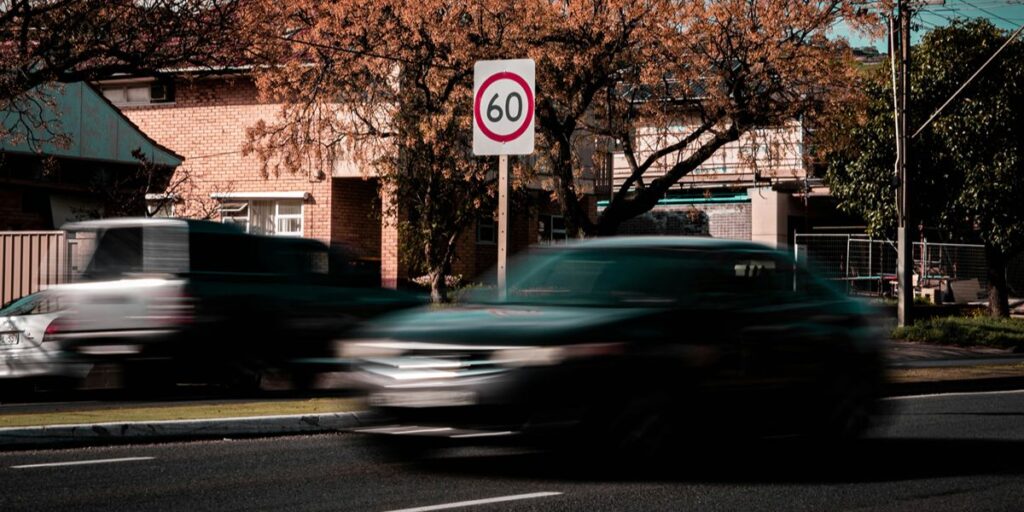
Penalty points go on your driving licence, not your employer’s record. A standard speeding offence carries a minimum of three penalty points and a £100 fixed penalty.
If the offence is minor enough, and you’re eligible, you may be offered the option of attending a speed awareness course instead of accepting the fine and points. The course typically costs around £100 and takes half a day. Eligibility varies by police force, but it’s generally offered for speeds in the range of 10% plus 2mph to 10% plus 9mph above the limit.
Importantly, you must declare any penalty points to your insurer. Failure to disclose convictions can invalidate cover.
Does A Fine Affect Your Salary Sacrifice Scheme?
In most cases, a single speeding fine won’t affect your salary sacrifice agreement. Your monthly deductions continue as normal, and the scheme itself isn’t disrupted by a driving offence.
However, it’s worth being aware that if your licence were to be disqualified as a result of a serious speeding offence or accumulation of points, that would be a different matter entirely – you would no longer legally be able to drive. In that scenario, you’d need to discuss the implications with your employer and scheme provider.
Some employers also reserve the right to include licence requirements in their scheme eligibility criteria. It’s worth checking your scheme documentation if you have any concerns.
A Quick Summary
If you’re caught speeding in your salary sacrifice car, here’s what happens:
- The NIP is sent to the leasing company (the registered keeper) within 14 days.
- The leasing company identifies you as the driver and passes your details to the police.
- You receive your own NIP – potentially after the 14-day window has passed, which is normal.
- You pay the fine, any penalty points go on your licence, and an admin fee from the leasing company applies.
- Your salary sacrifice scheme continues as usual in most circumstances.
- You must inform your insurer of any penalty points at renewal.
The good news is that electric vehicles tend to be smooth, composed, and very easy to drive calmly – and charging at home overnight means there’s rarely any need to rush.
Related read: What Happens To My Salary Sacrifice Car If I Leave?