
Getting an electric vehicle is one of the smartest moves you can make – but the experience is only as good as your charging setup.
For most drivers, that means installing a dedicated home charger. It’s convenient, cost-effective, and takes a lot of the guesswork out of EV ownership.
Whether you’ve just picked up your first EV through EZOO’s salary sacrifice scheme or you’re thinking ahead before your car arrives, this guide walks you through everything you need to know about installing an EV charging station at home.
Why Is It Worth Installing A Dedicated Home Charger?
It might be tempting to simply plug your EV into a standard three-pin socket – and yes, it is technically possible. But we’d strongly advise against it as your primary method.
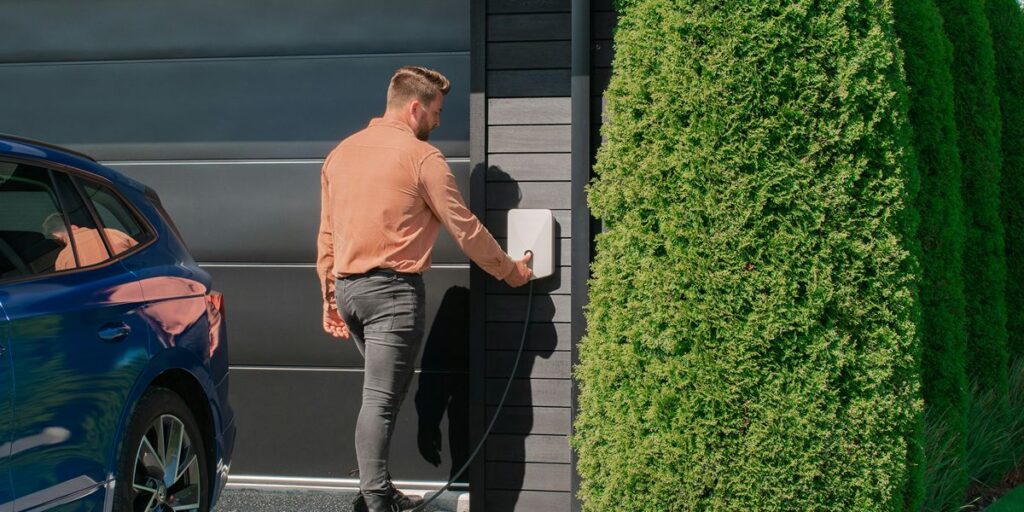
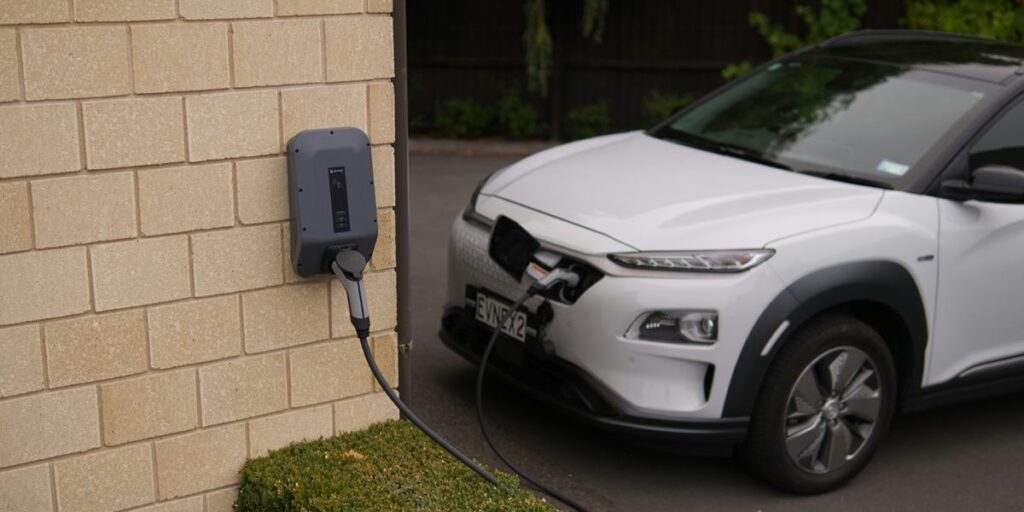
A domestic plug socket maxes out at around 2.3kW, which is slow and can put unnecessary strain on your home’s electrical system. A dedicated wall box charger, by contrast, typically delivers 7kW, charging most EVs overnight with ease. It’s faster, safer, and purpose-built for the job.
Choosing The Right Charger For Your Home
Before booking an installer, it’s worth knowing what type of charger suits your situation.
7kW smart chargers are by far the most common choice for UK homes. They’re compatible with almost every EV on the market and will fully charge most batteries overnight.
Popular models include the myenergi Zappi (great for homes with solar panels), the Pod Point Solo, and the Andersen A2 – each with app control, scheduling features, and smart tariff integration.
If your home has a three-phase electricity supply (more common in commercial buildings than residential ones), a 22kW charger is also an option – though most drivers simply don’t need it.
What To Consider When Choosing
- Smart charging capability: Lets you schedule charging during off-peak hours to save money.
- Built-in cable vs. socket: A tethered cable is more convenient for everyday use.
- App connectivity: Useful for monitoring usage and costs.
- Solar integration: If you have or plan to install solar panels, look for a charger that can prioritise excess solar energy.
How Much Does Installation Cost?
The typical cost of a fully installed 7kW smart home charger sits between £800 and £1,200. That breaks down roughly as:
- The charger unit itself: £400–£700
- Professional installation labour: £400–£600
Costs can vary depending on the complexity of the cable run, whether your consumer unit needs upgrading, and how much groundwork is required (for example, running cables under a driveway).
It’s always worth getting at least three itemised quotes from OZEV-approved installers before committing.
Can You Get A Government Grant?
In short, it depends on your situation.
The UK government’s OZEV EV Chargepoint Grant, administered by the Office for Zero Emission Vehicles, currently covers up to 75% of installation costs, capped at £350 per socket. From 1 April 2026, this cap increases to £500 per socket – good news if you’re planning ahead.
Who Can Use The Grant?
However, the grant has become more targeted in recent years. As of 2026, it is primarily available to:
- Renters living in any residential property with private off-street parking.
- Flat owners (including shared ownership) with their own private off-street parking space.
- Landlords installing chargers for tenants.
If you own a standard detached or semi-detached house with a private driveway, you are not eligible for this grant. The government has shifted its focus to those who have historically found it harder to install home charging infrastructure.
Households With On-Street Parking
There is also a separate grant for households with on-street parking only, which covers up to £350 towards the cost of installing a cross-pavement charging solution (such as a charging gully). This is worth exploring if you don’t have off-street parking.
Landlords
Landlords can apply for up to 200 chargepoint grants per year for residential properties and up to 100 for commercial properties, with infrastructure grants of up to £30,000 per property also available. The scheme runs until 31 March 2027.
Businesses
For businesses, the Workplace Charging Scheme (WCS) covers up to 75% of costs, currently capped at £350 per socket (rising to £500 from 1 April 2026), for up to 40 sockets across all sites.
The scheme is open to businesses, charities, and public sector organisations and also runs until 31 March 2027. If your company is considering offering EV charging as a workplace benefit, it pairs very well with salary sacrifice.
Step-By-Step: The Installation Process
Once you’ve chosen your charger and found an OZEV-approved installer, here’s what to expect:
1. Property Assessment
Your installer will assess your home’s electrical supply, consumer unit capacity, and the best cable route from your fuse board to the parking area. This is also when they’ll identify any additional work needed, such as consumer unit upgrades.
2. Grant Eligibility Check (If Applicable)
If you’re eligible for an OZEV grant, your installer handles the application on your behalf. The grant is deducted directly from your invoice – you don’t need to claim it yourself.
3. Installation Day
For a straightforward install with no complex cabling, most home charger installations are completed within two to four hours. The installer will mount the unit, run the cabling, and connect it to your consumer unit safely.
4. Testing And Sign-Off
Once installed, the charger will be tested and commissioned. You’ll receive documentation confirming the installation meets the required electrical safety standards.
5. Set Up Smart Charging
Finally, download your charger’s app and set up your preferred charging schedule. If your energy supplier offers an EV-specific off-peak tariff, this is when you’ll start seeing real savings.
Tips To Keep Costs Down
- Time your charging: Many energy suppliers offer significantly cheaper overnight rates for EV drivers.
- Bundle your installation: With other electrical work if possible to save on call-out costs.
- Check your energy tariff: Switching to a dedicated EV tariff can reduce your charging costs considerably compared to standard rates.
- Use only OZEV-approved installers: This is required for grant eligibility and ensures the work is covered by appropriate insurance and certifications.
Ready To Make The Switch?
Installing a home charger is one of the best investments you can make as an EV driver – and it becomes even more worthwhile when you’re already saving significantly on the car itself.
If you’re yet to get your EV, our salary sacrifice scheme lets employees save up to 60% on a brand-new or used electric car, with insurance, servicing, and road tax all included. It’s one of the most affordable ways to drive an EV available in the UK today.
You might like this guide: Electric Cars vs Petrol Cars: Cost Breakdowns.