
With the petrol and diesel car ban on the horizon and electric vehicle infrastructure improving daily, more drivers are considering making the switch. But, should you go fully electric or choose a hybrid?
It’s not always a straightforward answer.
Both electric and hybrid options offer benefits over traditional petrol and diesel vehicles, but they serve different purposes and suit different lifestyles.
What’s the Difference Between Electric and Hybrid Cars?
Before diving into which is best, let’s clarify what we’re actually comparing.
Fully electric vehicles (EVs) run entirely on battery power. There’s no petrol tank, no exhaust pipe, and no combustion engine. You charge them up like you would your phone, and off you go. Simple.
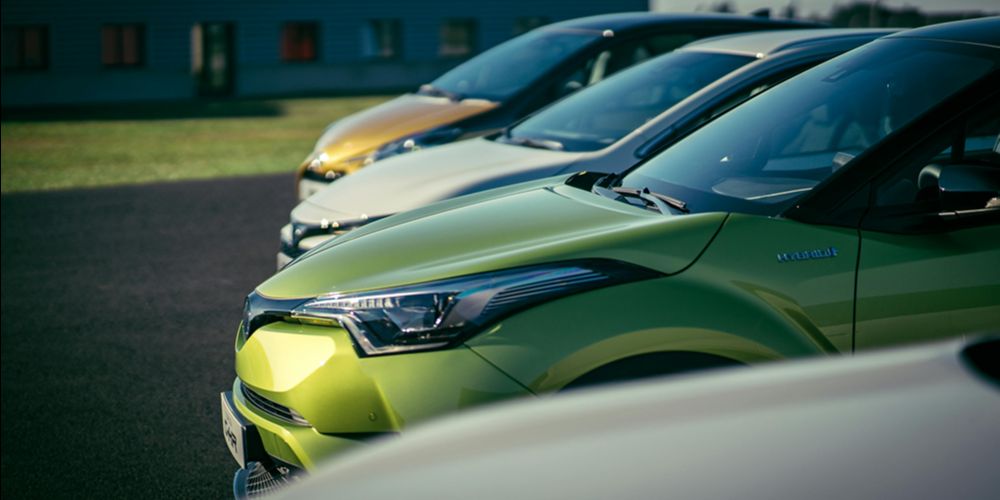
Hybrid vehicles combine a traditional petrol or diesel engine with an electric motor and battery. They come in three main flavours:
- Mild hybrids: The electric motor assists the engine but can’t power the car alone
- Full hybrids: Can run on electric power for short distances at low speeds
- Plug-in hybrids (PHEVs): Have larger batteries that you charge externally, offering 20-40 miles of electric-only driving
Running Costs: Where Your Money Goes
Let’s talk money. For most people, running costs are the deciding factor.
Fuel vs. Electricity
Charging an EV is significantly cheaper than filling up with petrol. Depending on your tariff, a full charge at home might cost £10-15, giving you 200-300 miles of range. Compare that to £70+ for a tank of petrol in a comparable car.
Hybrids still need petrol, though admittedly less of it. If you’re mostly doing short journeys in a plug-in hybrid, you might rarely visit a petrol station. But the moment you hit the motorway or forget to charge, you’re back to paying pump prices.
Servicing and Maintenance
EVs have fewer moving parts. No oil changes, no exhaust systems, no clutch replacements. Maintenance is minimal, which means lower servicing costs over time.
Hybrids, on the other hand, have both systems to maintain – the electric motor and the combustion engine. That means more components that can go wrong, and more frequent servicing requirements. It’s not necessarily expensive, but it’s definitely more involved than an EV.
Tax Benefits
Here’s where EVs really shine. Company car drivers pay just 2% Benefit-in-Kind (BiK) tax on electric vehicles (rising annually), compared to significantly higher rates for hybrids – often 20-30% depending on emissions.
When you factor in schemes like EV lease deals through salary sacrifice, the savings stack up quickly – often 30-60% compared to buying outright.
Range and Charging: The Practical Stuff
This is usually where the hybrid starts looking appealing. “What if I run out of charge?” It’s a fair concern, but one that’s becoming less relevant as EV technology improves.
How Far Can You Go?
Modern EVs comfortably offer 200-300 miles on a single charge, with some premium models exceeding 400 miles. For most UK drivers – whose average daily mileage is around 20 miles – that’s more than enough for a week of driving.
Hybrids technically have an unlimited range because you can refuel with petrol. But, their electric-only range is limited (usually 20-40 miles for PHEVs), after which you’re running a slightly heavier petrol car.
Charging Infrastructure
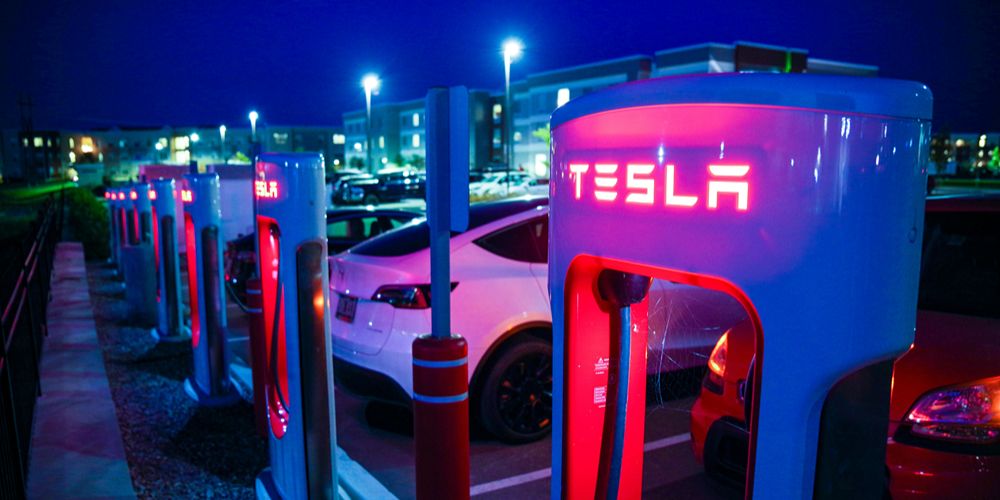
The UK now has over 70,000 public charging points, with more being added every week. Rapid chargers can give you 100+ miles in 20-30 minutes, making long journeys entirely feasible.
Yes, planning is sometimes required. Yes, you might occasionally need to factor in a charging stop. But for most people, most of the time, you’re charging at home overnight on a cheap tariff.
Hybrids don’t need this infrastructure, which makes them feel like the “safe” option. But they also don’t benefit from it – you’re still reliant on petrol stations and fluctuating fuel prices.
Environmental Impact: Are You Actually Going Green?
If reducing your carbon footprint is a priority, this matters.
EVs produce zero tailpipe emissions. Even when you account for electricity generation, they’re significantly cleaner than any combustion engine vehicle over their lifetime. As the UK’s energy grid gets greener, so does your EV.
Hybrids are better than pure petrol cars, but they’re not in the same league as EVs. If you’re running on petrol most of the time – which many hybrid drivers do – your environmental benefit shrinks considerably.
Plug-in hybrids get a particularly bad rap here. Studies show many PHEV drivers rarely charge them, essentially driving a heavy, inefficient petrol car whilst claiming eco-friendly credentials.
Read more: Are Electric Cars Better For The Environment?
Lifestyle and Driving Habits: What Works for You?
Your personal circumstances should drive your decision (pun intended).
You Should Consider an EV If…
- You have off-street parking or workplace charging
- Most of your journeys are local or within 200 miles
- You want the lowest running costs possible
- You’re claiming through salary sacrifice or business lease
- You care about environmental impact
- You enjoy cutting-edge tech and a quiet, smooth drive
You Might Prefer a Hybrid If…
- You regularly drive 300+ miles without time for charging stops
- You have no access to home or workplace charging
- You’re nervous about range and want a “safety net”
- You’re not ready to commit fully to electric
Here’s the honest truth: for most UK drivers, an EV is now the better choice. The infrastructure is there, the range is sufficient, and the cost savings are substantial. Hybrids made sense five years ago as a transition technology, but we’re past that point now.
Ready to Explore Your Options?
There’s no single “right” answer, but there is a right answer for you.
If charging access isn’t a problem and most of your driving is local or regional, going fully electric is the smart financial and environmental choice. You’ll save money, reduce hassle, and enjoy a genuinely better driving experience.
If you’re regularly covering huge distances without time to stop, or you genuinely have no charging options, a plug-in hybrid might bridge the gap.
Ready to explore your options? The future of driving is electric – and it’s more accessible than you think.
You might like this guide: What Is the Best Electric Car to Lease?