
What happens to EV batteries when they reach the end of their life?
It’s a fair concern. Lithium-ion batteries are complex, contain valuable materials, and there’s understandable worry about waste and environmental impact.
The good news? Yes, electric car batteries can absolutely be recycled – and the process is becoming more sophisticated every year.
Why Battery Recycling Matters
Before diving into the “how”, it’s worth understanding the “why”.
Electric car batteries contain valuable raw materials, including lithium, cobalt, nickel, and manganese. Mining these materials has environmental and social costs, so recovering and reusing them makes both ethical and economic sense.
Recycling also prevents potentially hazardous materials from ending up in landfills. Whilst EV batteries aren’t as dangerous as many people assume, proper end-of-life management is still essential for environmental protection.
Finally, as demand for electric vehicles grows, so does demand for battery materials. Recycling helps ease pressure on mining operations and creates a more sustainable, self-sufficient supply chain.
Related Read: Are electric cars better for the environment? Absolutely – and battery recycling makes them even greener.
How Long Do EV Batteries Last?
Let’s address a common misconception first: EV batteries don’t just suddenly die.
Most modern electric car batteries are designed to last between 10 and 20 years, or around 100,000 to 200,000 miles. Even after this, they don’t become useless – they simply degrade to the point where they hold less charge than when new.
Think of it like your smartphone battery. After a few years of use, you might notice it doesn’t last quite as long between charges as it did when it was brand new. EV batteries work the same way – they gradually lose some capacity over time, but they don’t just stop working altogether.
For context, if a battery originally offered 300 miles of range, it might drop to around 240 miles after a decade of use. That’s still perfectly functional for many drivers, especially those with shorter commutes or access to regular charging.
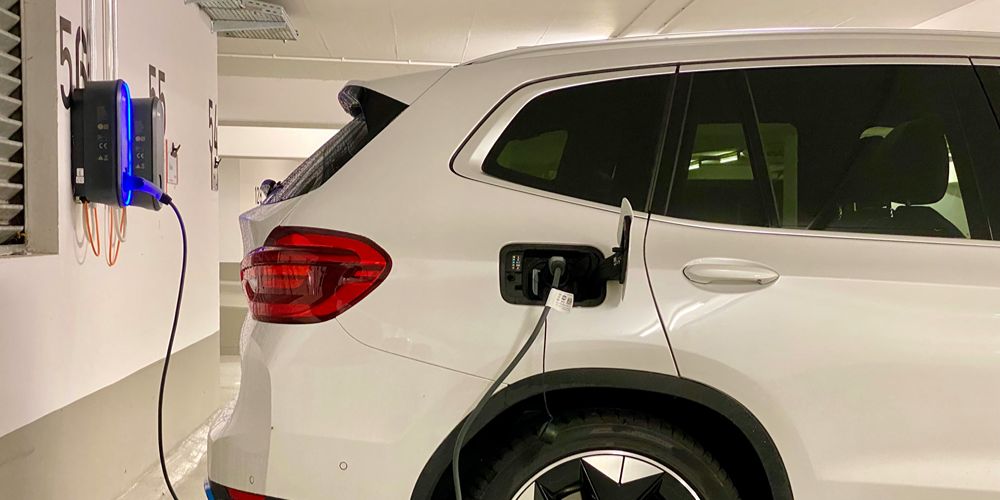
What Happens to Batteries After They Leave the Car?
Once an EV battery is no longer suitable for powering a vehicle, it doesn’t go straight to recycling. In fact, many batteries enjoy a “second life” before being broken down for materials.
Second-Life Applications
Batteries that have degraded to 70-80% of their original capacity are still incredibly useful for stationary energy storage. They can be repurposed for:
- Home energy storage: Paired with solar panels, old EV batteries can store renewable energy for use during peak hours or power cuts.
- Grid stabilisation: Large-scale battery storage helps balance supply and demand on the electricity grid, especially as more renewable energy comes online.
- Commercial use: Businesses can use second-life batteries to reduce energy costs and improve resilience.
This second-life use extends the overall lifespan of the battery by another five to ten years, maximising value and minimising waste. It’s a win-win for sustainability and economics.
How Are EV Batteries Recycled?
When batteries finally reach the end of their useful life – including second-life applications – they enter the recycling process. Here’s how it works:
1. Collection and Safety Assessment
Batteries are collected from scrapping facilities, dealerships, or recycling centres. They’re carefully assessed to ensure they’re safe to handle and fully discharged before processing begins.
2. Disassembly
The battery pack is dismantled to separate components. This includes removing the casing, electronics, and individual battery cells. Some parts, like metal casings and wiring, can be recycled immediately.
3. Material Recovery
This is where the real magic happens. There are several methods for recovering valuable materials:
- Pyrometallurgy (smelting): Batteries are heated to extremely high temperatures, melting them down. This recovers metals like cobalt and nickel, but loses lithium and uses significant energy.
- Hydrometallurgy (chemical extraction): Batteries are dissolved in acid solutions to separate materials. This is more energy-efficient than smelting and can recover lithium, cobalt, nickel, and manganese with high purity.
- Direct recycling: The most advanced method. Battery components are carefully separated and restored without breaking them down completely. This preserves more value and uses less energy, though it’s still being scaled commercially.
4. Material Reuse
Recovered materials are refined and reintroduced into the supply chain, where they can be used to manufacture new batteries, reducing the need for virgin mining.
What Percentage of an EV Battery Can Be Recycled?
Current technology allows recyclers to recover around 95% of the valuable materials in an EV battery. That includes nearly all the cobalt, nickel, and copper, and increasingly high percentages of lithium.
Some components, like plastics and certain binding materials, are harder to recycle and may be incinerated for energy recovery or sent to landfill. However, the industry is rapidly improving, and future recycling processes aim for near-total material recovery.
Compare this to traditional petrol and diesel vehicles, where fuel is burned and lost forever. With EVs, the “fuel” (electricity) is renewable, and the batteries can be recycled and reused multiple times.
Is Battery Recycling Mandatory in the UK?
Yes. Under UK and European regulations, manufacturers and importers are legally required to take responsibility for the collection, treatment, and recycling of EV batteries.
The Waste Batteries and Accumulators Regulations mandate that at least 50% of the weight of EV batteries must be recycled, with specific targets for material recovery. These regulations ensure that batteries don’t end up in landfill and that valuable materials are recovered responsibly.
As a driver leasing an electric car – whether through salary sacrifice or business leasing – you don’t need to worry about what happens to the battery at end-of-life. That’s the manufacturer’s responsibility, and it’s already built into the system.
What About Hybrid Batteries?
Hybrid vehicles also use rechargeable batteries, though typically smaller than those in fully electric cars.
The good news is that hybrid batteries can also be recycled using similar processes. However, because hybrids still rely heavily on fossil fuels, they don’t offer the same long-term environmental benefits as fully electric vehicles.
For maximum sustainability and cost savings, fully electric remains the smarter choice – especially when you factor in lower running costs, simpler maintenance, and superior BiK tax rates.
The Future of Battery Recycling
The EV battery recycling industry is still relatively young, but it’s advancing rapidly. Here’s what’s on the horizon:
- Improved recovery rates: Next-generation recycling methods aim to recover 98-99% of battery materials with minimal energy use.
- Circular supply chains: Manufacturers are designing batteries with recycling in mind, using fewer types of materials and making disassembly easier.
- Battery passports: Digital records that track each battery’s history, chemistry, and condition, making recycling more efficient and transparent.
- Localised recycling: More recycling plants are opening across the UK and Europe, reducing transportation emissions and keeping materials in the region.
As these innovations scale, the environmental footprint of electric vehicles will continue to shrink – making them an even better choice for individuals and businesses alike.
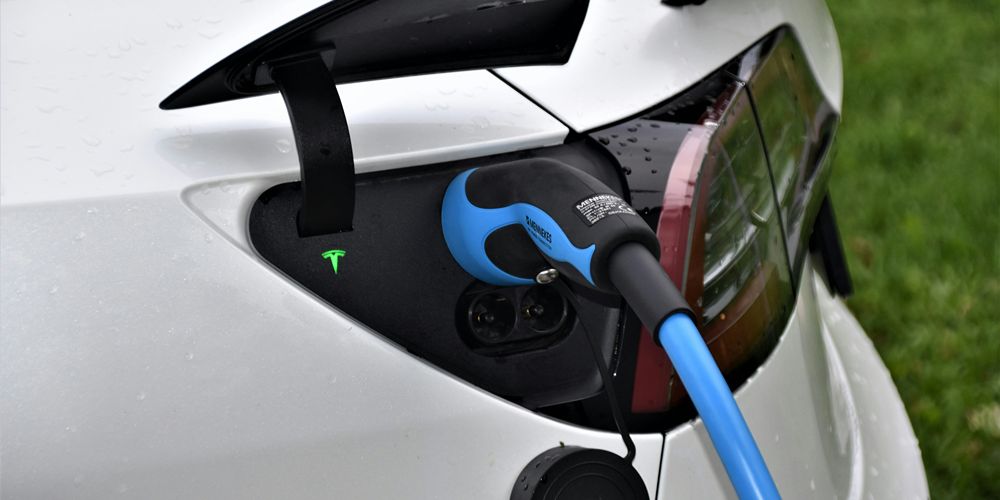
Should Battery Recycling Affect Your Decision to Go Electric?
Not at all. If anything, the robust recycling infrastructure being built around EV batteries is another reason to make the switch.
Unlike petrol and diesel vehicles, which consume finite fossil fuels that can never be recovered, electric cars are part of a circular economy. Batteries can be reused, recycled, and remanufactured – reducing waste, cutting emissions, and preserving valuable resources.
Whether you’re an individual exploring salary sacrifice options or a business considering fleet electrification, the facts are clear: electric vehicles are cleaner, greener, and smarter – from the moment they’re built to long after they’ve left the road.