
For years, one of the biggest barriers to electric vehicle (EV) adoption in the used car market has been price. While new EVs have increasingly matched petrol models on list prices, used electric cars have typically remained more expensive – until now.
New data from Autorola shows that used electric cars and petrol cars reached near price parity for the first time in Q1 2026, marking a major turning point for the UK second-hand market.
Falling EV Prices Meet Rising Petrol Costs
According to Autorola’s analysis of vehicles sold to online wholesale buyers, average used petrol car prices rose 5.1% quarter-on-quarter in Q1 2026. That’s an increase of £768, taking the average wholesale price to £15,727, up from Q4 2025.
At the same time, used EV prices fell by 9.1%, dropping £1,558 to an average of £15,486. A price gap of just £241 between the two powertrains – the smallest difference ever recorded by Autorola.

In practical terms, this means buyers shopping the used market are now seeing electric and petrol cars sitting side by side at almost identical price points
Are used electric cars a better value for money than petrol cars?
Looking beyond average prices, the real story lies in what buyers are now able to secure for their budget.
Autorola’s figures show that the average used EV sold in Q1 2026 was both newer and of lower mileage than its petrol equivalent:
| Vehicle Type | Average age | Average mileage |
| Used EVs | 32 months | 20,002 miles |
| Used Petrol cars | 37 months | 22,606 miles |
In other words, buyers were able to secure a younger, less-used electric car for less money than a comparable petrol model – a clear sign that the balance of value in the used market is shifting.
As EV supply continues to grow, particularly through fleet and leasing returns, prices are adjusting quickly.
Why is the demand for used electric cars increasing?
Price convergence has been matched by a sharp rise in buyer appetite.
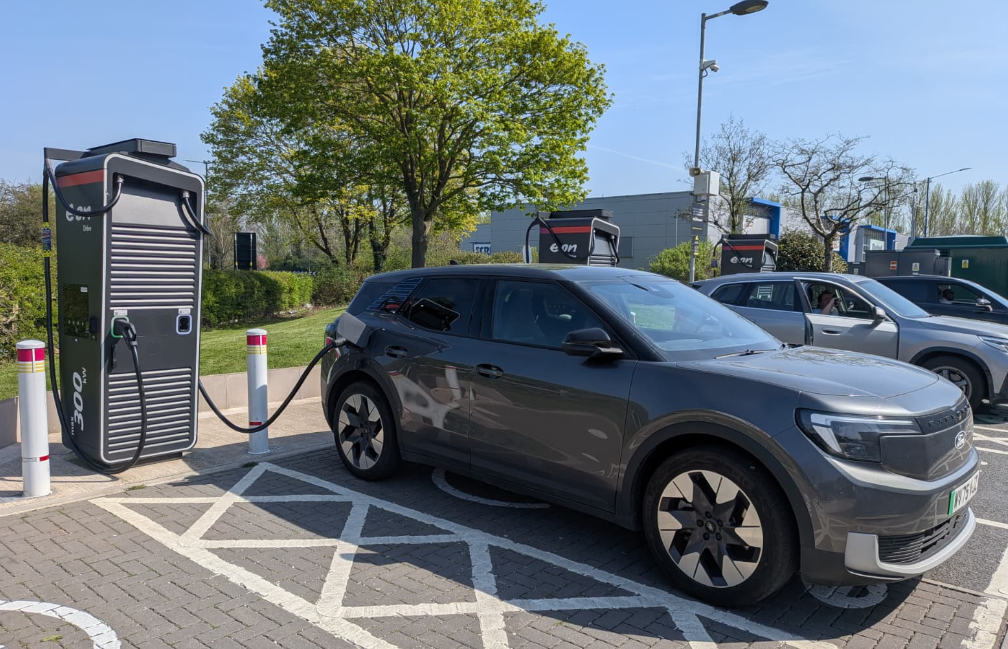
Autorola reported a significant jump in demand for used EVs during the quarter, with electric vehicles accounting for 10.4% of total sales in Q1 2026, up from 5.4% in Q4 2025. Bidding activity strengthened across its online wholesale platform, with used EV sales nearly doubling over the three months.
This rise in demand has been supported by a combination of falling used EV values, higher volumes entering the market following the March 26-plate launch, and increasing ICE fuel prices, all of which are making electric vehicles a more attractive proposition for cost-conscious buyers.
A Milestone Moment for the Used Market
While price parity between new EVs and petrol cars has been emerging for some time, Q1 2026 marks the first clear instance of the same trend taking hold in the used market.
With affordability improving and wholesale demand strengthening, used EVs are beginning to move from a niche alternative to a mainstream option. As stock levels rise and prices continue to adjust, electric cars are increasingly competing with petrol models not just on running costs, but on upfront value too.
What This Means for Buyers
For used car buyers, the message is clear. Electric cars are no longer the expensive option. With newer, lower‑mileage EVs now available for similar money – and more drivers exploring options like EV salary sacrifice – demand is growing, residual confidence is strengthening, and choice and availability are improving rapidly.
If current trends continue, 2026 could be remembered as the year when used EVs truly entered the mainstream, not because buyers were forced to compromise, but because the numbers finally made sense.
Browse our range of used EVs through our Salary Sacrifice Portal >