
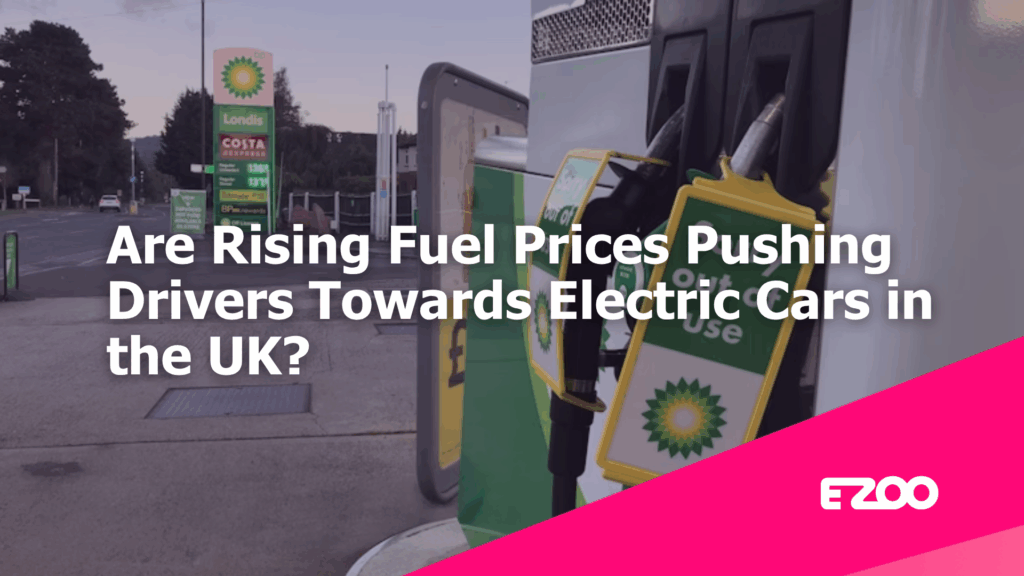
Rising fuel costs could soon accelerate a major shift in UK car-buying habits, with new research suggesting that millions of motorists may reconsider their next vehicle choice if pump prices continue to climb.
A new study from Cazoo & Motors reveals that more than two in five non-EV owners would seriously consider switching to an electric car if fuel prices reached £2.00 per litre.
Is £2.00 per litre the tipping point for EV adoption?
The research, based on responses from 2,008 car-buying decision makers, found that 44% of drivers who currently do not own an EV would look seriously at electric alternatives once fuel prices hit or exceed £2.00 per litre.
The study identified £1.99 per litre as the psychological tipping point at which petrol, diesel and hybrid drivers begin actively considering a move to electric. However, the findings also show that 29% of respondents said rising fuel prices would not influence their decision, highlighting a continued divide in attitudes towards EV adoption.
Why are fuel prices still rising in the UK?
The findings come against the backdrop of rising UK fuel prices, which have increased steadily in recent weeks. At the time of the research, petrol prices averaged more than £1.57 per litre, and diesel climbed to around £1.90 per litre

With geopolitical tensions and supply concerns continuing to exert pressure on wholesale markets, many drivers are becoming increasingly aware of how vulnerable household budgets are to sudden fuel price spikes.
Rising fuel costs may push drivers towards electric cars
The study suggests rising fuel prices are already fuelling greater interest in EVs – even before the £2.00 mark is reached. 54% of non‑EV owners said they would be more likely to switch to electric if fuel prices rose significantly over the next 12 months.
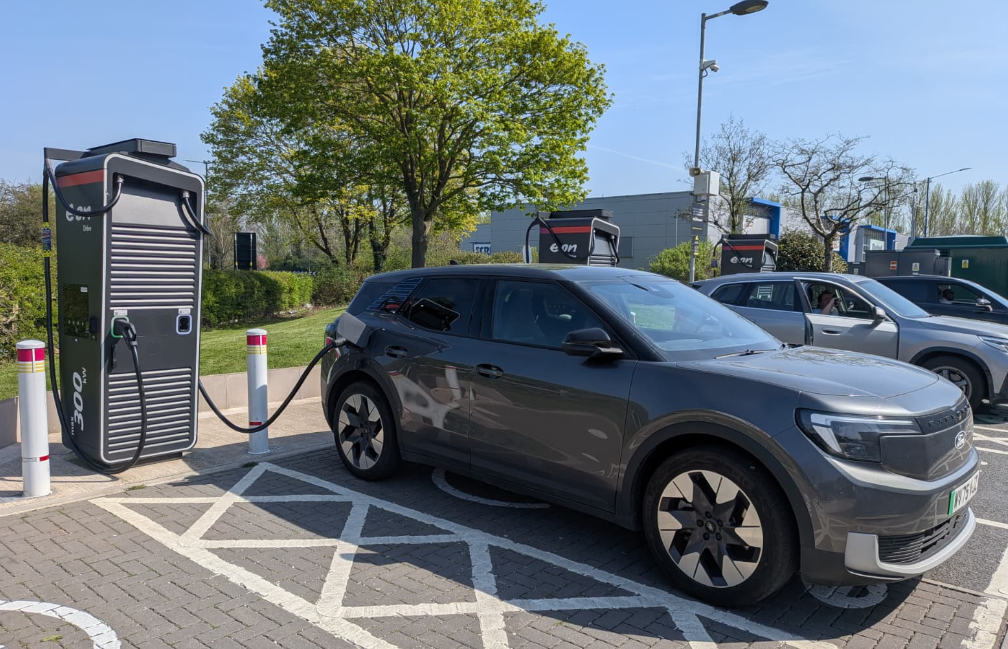
Certain groups were more inclined to consider making the switch, including men (58%), drivers under the age of 45 (64%), and households earning more than £60,000 a year (67%)
These findings suggest that, as fuel costs rise, EV adoption may accelerate fastest among working-age motorists with higher annual mileage and greater exposure to fluctuating running costs.
Are drivers changing behaviour or just buying earlier?
Separate analysis from New Automotive suggests that rising fuel prices are not leading most drivers to cut back on travel. Instead, they appear to be encouraging motorists to buy fuel sooner, and in larger quantities, to avoid further increases.
The analysis discovered that petrol prices rose by around 20% in March, reaching approximately £1.58 per litre, and diesel prices climbed by 35%, rising from £1.41 per litre to over £1.90. On March 3rd, petrol sales were 30% higher than typical February levels, following renewed geopolitical tensions
This behaviour highlights how dependent UK households and businesses remain on road transport, with limited flexibility to simply drive less when prices rise sharply.
What this means for drivers considering an EV
As fuel prices continue to climb, electric cars are increasingly being viewed not just as a greener option, but as a way to regain cost certainty.
For many drivers, EVs offer lower and more predictable running costs, protection from fuel price volatility and access to fixed monthly subscriptions or leasing options that bundle servicing, maintenance and cover
This shift in thinking suggests that sustained high fuel prices could act as a catalyst, pushing more UK drivers to seriously explore electric cars for the first time.